By Thomas Teska
September 16, 2026
Rising utility costs have encouraged many homeowners and businesses to look more closely at how much energy their heating and cooling systems consume. Because HVAC equipment often represents a significant portion of a building's overall energy use, improving system efficiency can have a meaningful impact on monthly expenses. HVAC companies offer a variety of services designed to identify waste, improve equipment performance, and help property owners make practical energy-saving decisions. From professional evaluations and equipment upgrades to maintenance and modern controls, these strategies can improve comfort while reducing unnecessary energy consumption.
Energy efficiency is not determined by a single piece of equipment. Insulation, ductwork, thermostat settings, ventilation, system sizing, maintenance practices, and building conditions all influence how effectively heating and cooling systems operate. Taking a comprehensive approach can therefore provide better results than focusing only on replacing equipment. Understanding the available options allows property owners to prioritize improvements that fit their building, budget, and long-term goals.
Comprehensive Energy Audits
A detailed energy audit is often one of the best starting points for reducing heating and cooling expenses. During an audit, technicians evaluate how energy is being consumed throughout a property and look for conditions that may be causing unnecessary waste. HVAC companies can examine equipment performance, temperature patterns, ductwork, insulation, ventilation, and other components that influence indoor comfort. This evaluation helps establish a clearer picture of where improvements are most likely to produce measurable savings.
Heating and cooling equipment that is improperly sized, poorly maintained, or nearing the end of its useful life may require more energy than necessary to maintain comfortable temperatures. Technicians can identify unusual operating patterns, inconsistent temperatures, airflow problems, or excessive cycling that may indicate inefficiency. Catching these issues early gives property owners an opportunity to make targeted repairs rather than continuing to pay higher utility bills.
Insulation and air sealing are also important parts of an energy assessment. Conditioned air escaping through gaps around windows, doors, attics, or ductwork forces heating and cooling equipment to operate longer. Improving insulation and sealing unwanted air leaks can reduce this workload. Recommendations from an audit can help property owners decide which upgrades offer the greatest potential benefit before investing in larger improvements.
Installing High-Efficiency Equipment
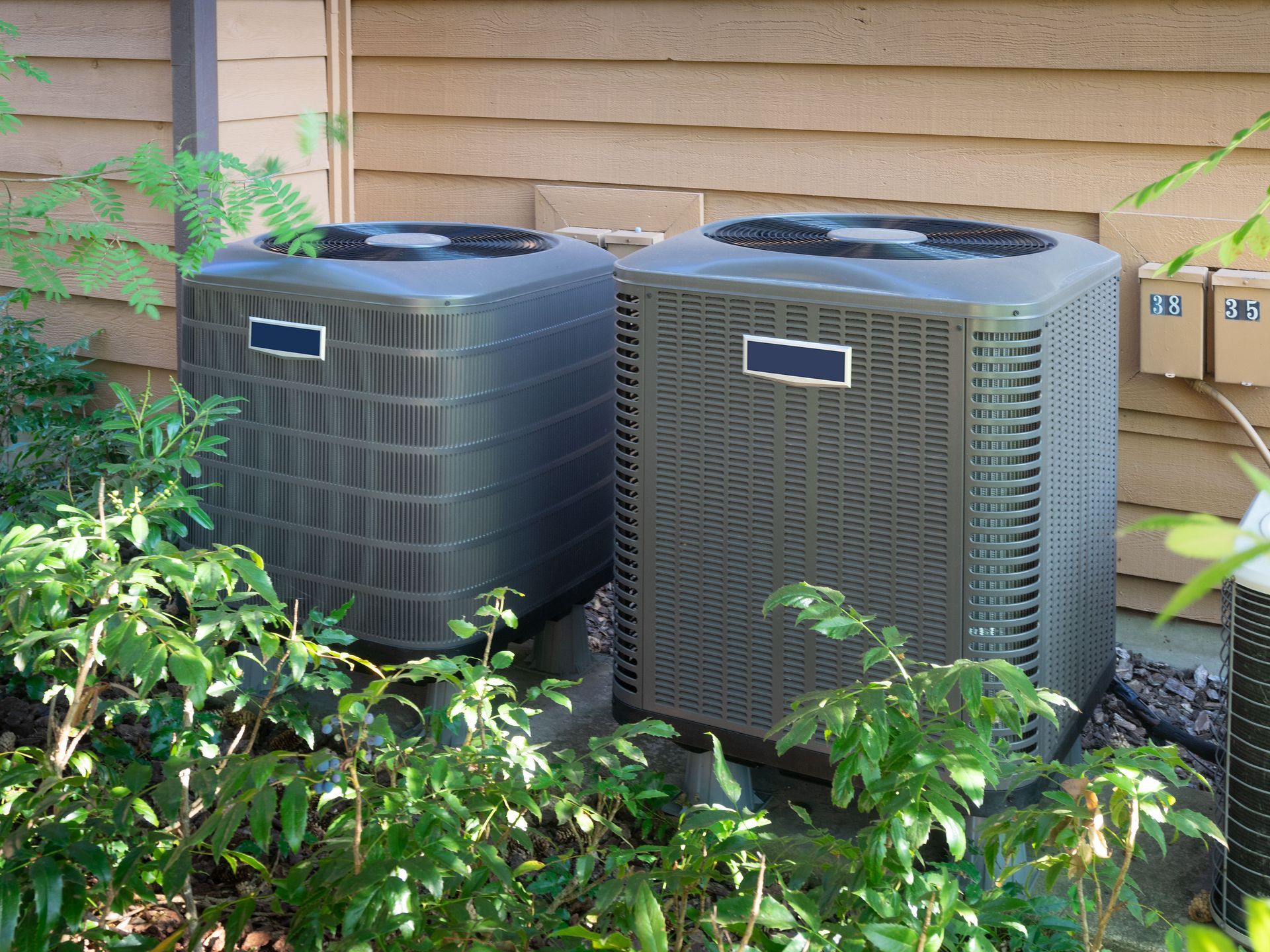
Older heating and cooling equipment may consume considerably more energy than modern systems designed with improved efficiency in mind. Replacing outdated equipment can therefore provide substantial long-term savings, particularly when an existing unit experiences frequent breakdowns or struggles to maintain consistent temperatures. High-efficiency systems use advanced compressors, motors, controls, and heat-transfer technology to deliver heating or cooling while using less energy.
Choosing new equipment requires more than simply selecting the largest or most powerful system available. Proper sizing is essential because equipment that is oversized may cycle on and off too frequently, while undersized equipment may run continuously. HVAC companies can calculate the heating and cooling requirements of a building based on factors such as square footage, insulation, windows, occupancy, and climate. Correct sizing promotes efficiency, comfort, and reliable performance.
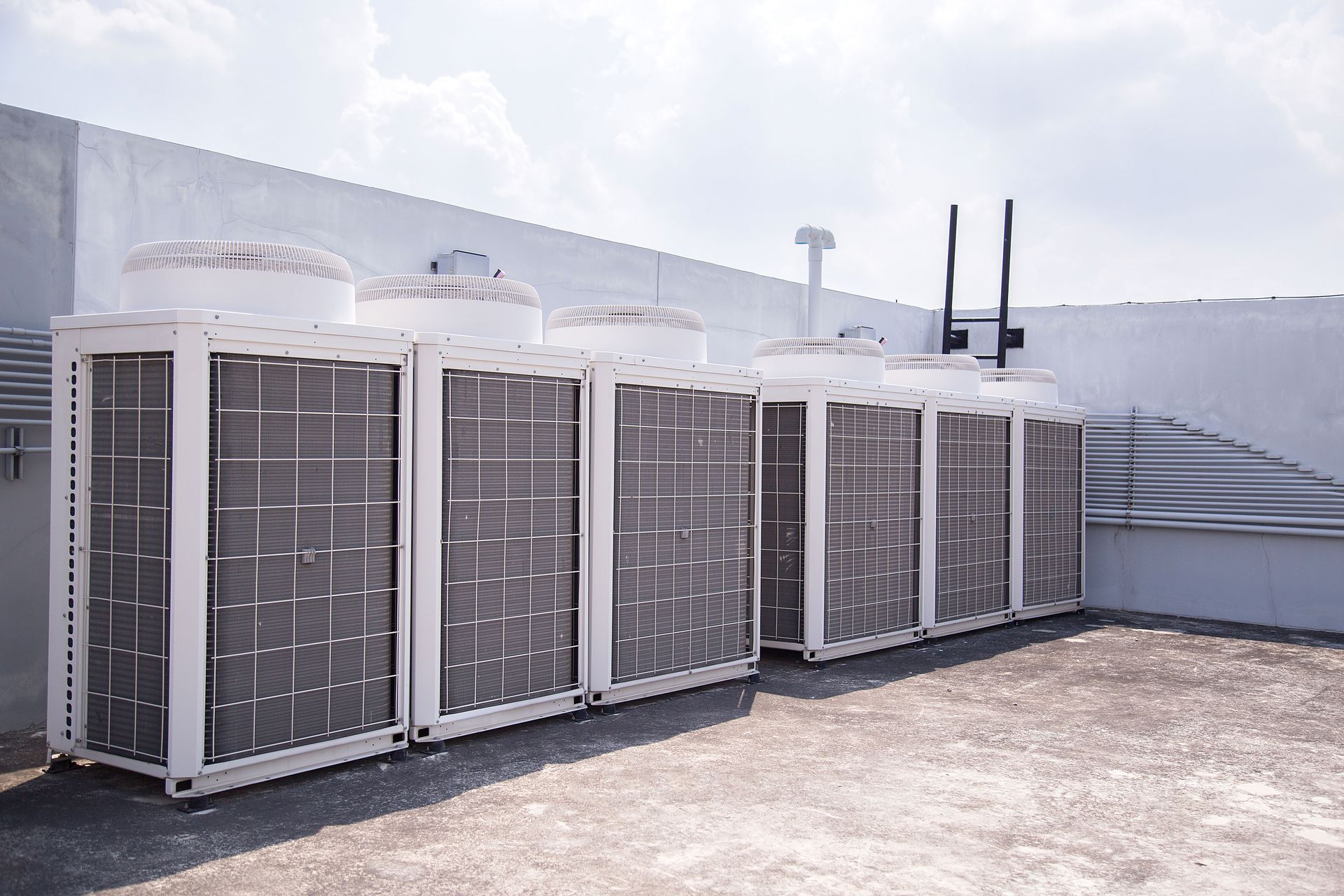
For commercial facilities, system requirements may be considerably larger and more complex. Commercial equipment can range from relatively small systems to equipment providing many tons of refrigeration capacity. Businesses may benefit from evaluating energy savings alongside the initial installation cost when deciding whether an upgrade makes financial sense. Rebates, incentives, or utility programs may also help offset certain equipment expenses.
Preventive Maintenance and System Optimization
Even highly efficient equipment can become less effective when maintenance is neglected. Dust accumulation, clogged filters, loose electrical connections, refrigerant problems, worn components, and blocked airflow can all force equipment to work harder. Routine professional maintenance helps address these conditions before they significantly affect performance or lead to expensive repairs.
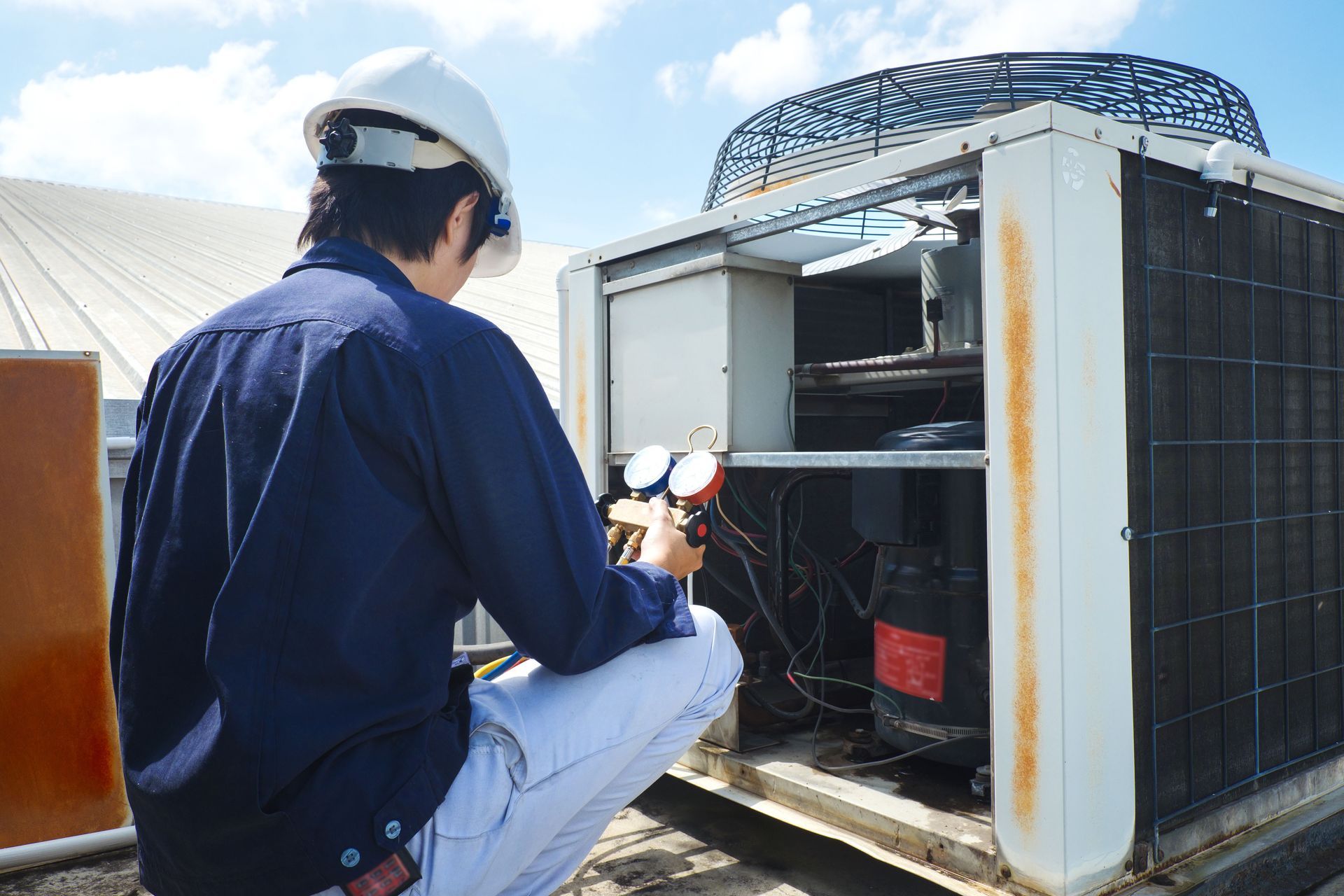
During a maintenance visit, technicians may inspect and clean components, replace or evaluate filters, check electrical connections, examine refrigerant levels, test controls, and verify proper airflow. HVAC companies also look for early signs of mechanical deterioration that could increase energy consumption. Correcting a minor issue before it becomes severe can protect efficiency while extending the useful life of the system.
System optimization may involve additional steps such as adjusting controls, balancing airflow, calibrating thermostats, or evaluating duct performance. For commercial buildings with large heating and cooling loads, even modest improvements in efficiency can translate into significant savings over time. Maintaining a consistent service schedule also makes it easier to identify changes in performance from one season to the next.
Improving Ductwork and Airflow
Ductwork plays an important role in distributing conditioned air throughout a building. Leaking, disconnected, damaged, or poorly insulated ducts can allow heated or cooled air to escape before it reaches occupied rooms. As a result, equipment may need to operate longer to achieve the desired temperature. Sealing or repairing damaged ductwork can help reduce these losses.
Airflow restrictions can create similar problems. Dirty filters, blocked registers, undersized ducts, or improperly balanced systems may prevent air from moving efficiently. Technicians can evaluate pressure and airflow throughout the system to identify restrictions. Correcting these conditions may improve comfort in rooms that previously felt too warm or too cold while reducing strain on HVAC equipment.
Duct insulation is especially important when ducts travel through attics, crawl spaces, garages, or other areas that are not temperature controlled. Without adequate insulation, conditioned air may gain or lose heat before reaching its destination. Addressing these problems can improve system efficiency without requiring complete equipment replacement.
Using Smart Thermostats and Automated Controls
Modern thermostats provide more precise control over heating and cooling schedules than traditional manual models. Smart thermostats allow users to adjust temperatures according to occupancy, time of day, work schedules, or personal routines. Reducing unnecessary heating or cooling while a building is empty can lower energy use without sacrificing comfort when occupants return.
HVAC companies can help determine whether a smart thermostat is compatible with existing equipment and configure settings appropriately. Many models provide remote access through mobile devices, making it possible to adjust temperatures from almost anywhere. Some thermostats can also track energy-use patterns, generate reports, and suggest adjustments based on household or building activity.
Commercial facilities may benefit from more sophisticated automated building controls. Zoned systems, occupancy sensors, programmable schedules, and centralized controls can help prevent unnecessary heating or cooling in unused areas. Proper configuration is important, however, because overly aggressive temperature changes may actually increase system workload rather than reduce it.
Enhancing Indoor Air Quality Without Sacrificing Efficiency
Indoor air quality and energy efficiency should be considered together. Filters, ventilation systems, humidity controls, and air-cleaning equipment affect how efficiently air moves through a building. A filter that is excessively dirty, for example, may restrict airflow and cause the blower motor to work harder. Regular filter replacement can support both system performance and cleaner indoor air.
Ventilation is another important consideration. Buildings need adequate fresh air, but excessive uncontrolled outdoor air can increase heating and cooling demands. HVAC companies can evaluate ventilation strategies and recommend approaches that maintain indoor air quality while limiting unnecessary energy losses. Energy-recovery ventilation equipment may also help transfer heat between incoming and outgoing air streams in certain applications.
Humidity management can further improve comfort and efficiency. Excessive indoor humidity may make a room feel warmer, causing occupants to lower thermostat settings unnecessarily. Very dry air can also affect comfort during colder months. Maintaining appropriate humidity levels can make indoor conditions feel more comfortable without relying entirely on temperature adjustments.
Ultimately, lowering energy costs requires attention to both equipment performance and the building as a whole. Regular inspections, timely repairs, thoughtful upgrades, smart controls, and responsible energy management can help reduce unnecessary consumption while maintaining comfortable indoor conditions. By taking a proactive approach, homeowners and businesses can improve efficiency, control operating expenses, and create heating and cooling systems that perform reliably for years to come. Contact our team at Elite Refrigeration today and learn more about our HVAC services.