By Thomas Teska
July 13, 2026
Planning a climate control upgrade requires careful strategic foresight. Many corporate executives focus entirely on equipment costs while missing vital structural elements. This oversight can lead to severe operational inefficiencies and unexpected long-term financial strains.
Working with experienced commercial HVAC contractors ensures that complex environmental variables are evaluated before installation begins. Professional guidance helps management avoid common logistical pitfalls. True comfort and efficiency come from addressing the architectural, mechanical, and regulatory components of your building.
1. Assessing Load Distribution Requirements
Evaluating the thermal demands of your building prevents premature equipment failure. Offices with extensive glass facades absorb significant radiant heat throughout the afternoon. Conversely, interior storage rooms generate completely different thermal loads that require unique management.
Experienced commercial HVAC contractors calculate precise heating and cooling needs based on daily occupancy patterns. They evaluate how solar heat gain impacts specific zones during peak operational hours. Misjudging these specific numbers often results in short-cycling and inconsistent temperatures.
Overlooking thermal load distribution leads to accelerated wear on internal compressors. Systems that are improperly sized struggle to maintain stable humidity levels across multiple floors. Proper load evaluation guarantees that your facility receives uniform airflow and balanced temperature management.
Corporate spaces often undergo layout changes that alter original thermal dynamics completely. Adding cubicles, partition walls, or heavy server equipment changes how air moves through a room. Certified technicians use specialized software to model these changing patterns before running ductwork paths.
Failing to account for localized heat generation results in permanent hot spots across your office. Employees in server-heavy zones will suffer while those near exterior walls experience completely different conditions. Balanced load mapping rectifies these discrepancies prior to major equipment investments.
2. Evaluating Structural Support Constraints
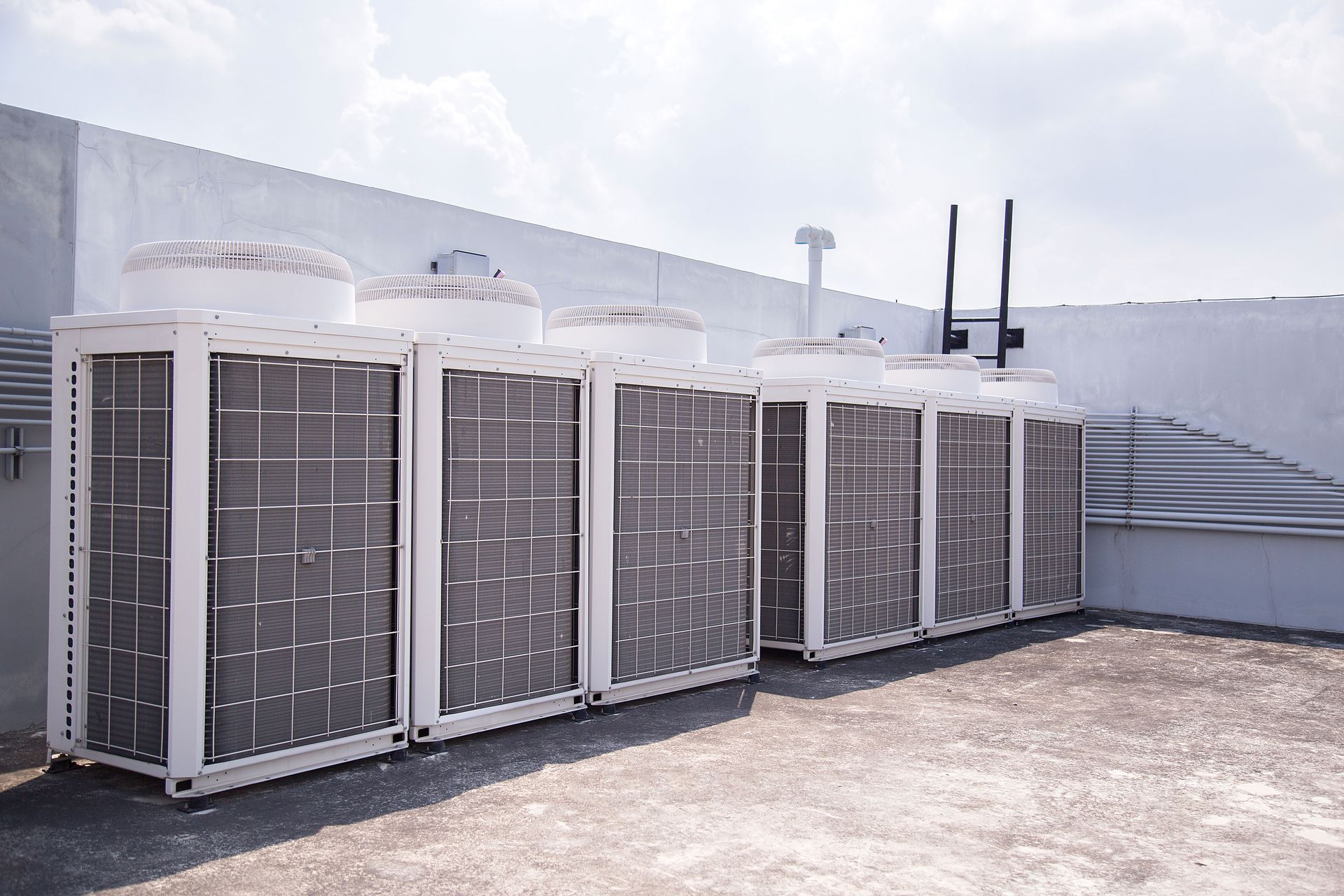
Supporting massive roof-mounted units requires verified architectural stability. Commercial machinery weighs thousands of pounds and demands heavy reinforcement steel beams. Standard roof decks cannot safely hold this specialized gear without structural enhancements.
Qualified commercial HVAC contractors verify that your roof infrastructure can support these intense physical loads. They coordinate with structural engineers to prevent roof sagging or catastrophic structural failures. Ensuring adequate reinforcement protects your real estate investment from severe structural compromises.
Neglecting structural checks can cause subtle roof leaks or building alignment issues over time. Vibration isolation pads must also be integrated to dampen constant mechanical operational humming. Addressing these structural factors early prevents costly structural remediation after the machinery arrives.
- Verify the total weight capacity of existing roof supports.
- Install durable vibration isolation curbs under units.
- Assess roof drainage pathways near the equipment.
- Confirm clearance space for future maintenance access.
3. Integrating Advanced Ventilation Systems
Prioritizing indoor air quality is vital for modern corporate environments. Modern building codes mandate strict outdoor air ventilation rates to maintain occupant health. Stale air must be continuously extracted while fresh air is conditioned and distributed.
Skilled commercial HVAC contractors incorporate sophisticated energy recovery ventilators into the overall design. These devices capture energy from exhaust air to pre-condition incoming fresh outdoor air streams. This integration significantly lowers overall monthly utility expenditures.
- Incorporate high-efficiency carbon air filtration systems.
- Program automated outdoor air dampers for optimal flow.
- Install dedicated exhaust fans for printing areas.
- Monitor carbon dioxide levels through integrated sensors.
Failing to plan for proper ventilation leads to stagnant workplace environments. Poor air circulation decreases employee productivity and increases absenteeism due to airborne irritants. Advanced ventilation planning ensures your team breathes clean air while optimizing mechanical efficiency.
Properly balanced exhaust networks prevent corporate odors from migrating into executive conference spaces. Kitchenettes, bathrooms, and manufacturing zones require localized negative-air-pressure environments to isolate airborne particles. Professional system design maps out these distinct pressure boundaries flawlessly.
4. Analyzing Long-Term Energy Consumption
Predicting monthly operational costs is far more critical than minimizing upfront equipment purchases. High-efficiency systems often demand a premium initially but deliver substantial savings over their functional lifespan. Energy expenditures represent the single largest ongoing expense for corporate climate control systems.
Certified commercial HVAC contractors utilize sophisticated simulation software to project future utility usage accurately. They compare seasonal energy efficiency ratings across various manufacturing brands to maximize financial returns. Investing in smart efficiency technology pays compounding dividends over decades of continuous operation.
According to the industry specialists at SkillCat, commercial HVAC systems provide from 2.8 tons to 28 tons of cooling capacity, which represents a massive increase over standard household equipment. Managing this immense cooling capacity requires a profound understanding of industrial power consumption.
Ignoring these energy consumption projections can result in astronomical monthly electricity bills. Variable speed drives and staged compressors help modulate power usage based on real-time building demand. Selecting efficient components shields your organization from unpredictable energy market fluctuations.
Organizations must look beyond basic utility numbers and analyze regional peak demand charges. Utility companies often levy heavy surcharges when commercial properties experience sudden spikes in electrical draw. Modern systems help smooth out these energy curves through strategic staging.
5. Coordinating Building Automation Controls
Managing multi-zone climate systems requires a centralized digital control network. Smart building automation allows facility managers to monitor temperature parameters from a single digital dashboard. Automated scheduling reduces heating and cooling output during weekends and holidays.
Reputable commercial HVAC contractors ensure that new machinery integrates seamlessly with existing building management software. They install precise digital sensors that communicate real-time environmental data to the central processor. This interconnected infrastructure allows for rapid troubleshooting and remote system adjustments.
Relying on isolated manual thermostats creates conflicting mechanical commands across different departments. One zone might activate heating while an adjacent space calls for maximum cooling power. Centralized automation eliminates these inefficiencies and harmonizes your entire facility climate.
Implementing automated diagnostics alerts maintenance teams before minor component wear escalates into a catastrophic failure. Predictive maintenance tracking extends the operational lifespan of expensive mechanical hardware. Smart control integration is essential for modern, multi-floor corporate operations.
Centralized dashboards allow facility managers to configure tailored permissions for different building zones. This prevents unauthorized personnel from adjusting thermostat settings and disrupting calibrated energy conservation profiles. System security remains a primary benefit of unified building automation.
6. Verifying Future Maintenance Accessibility
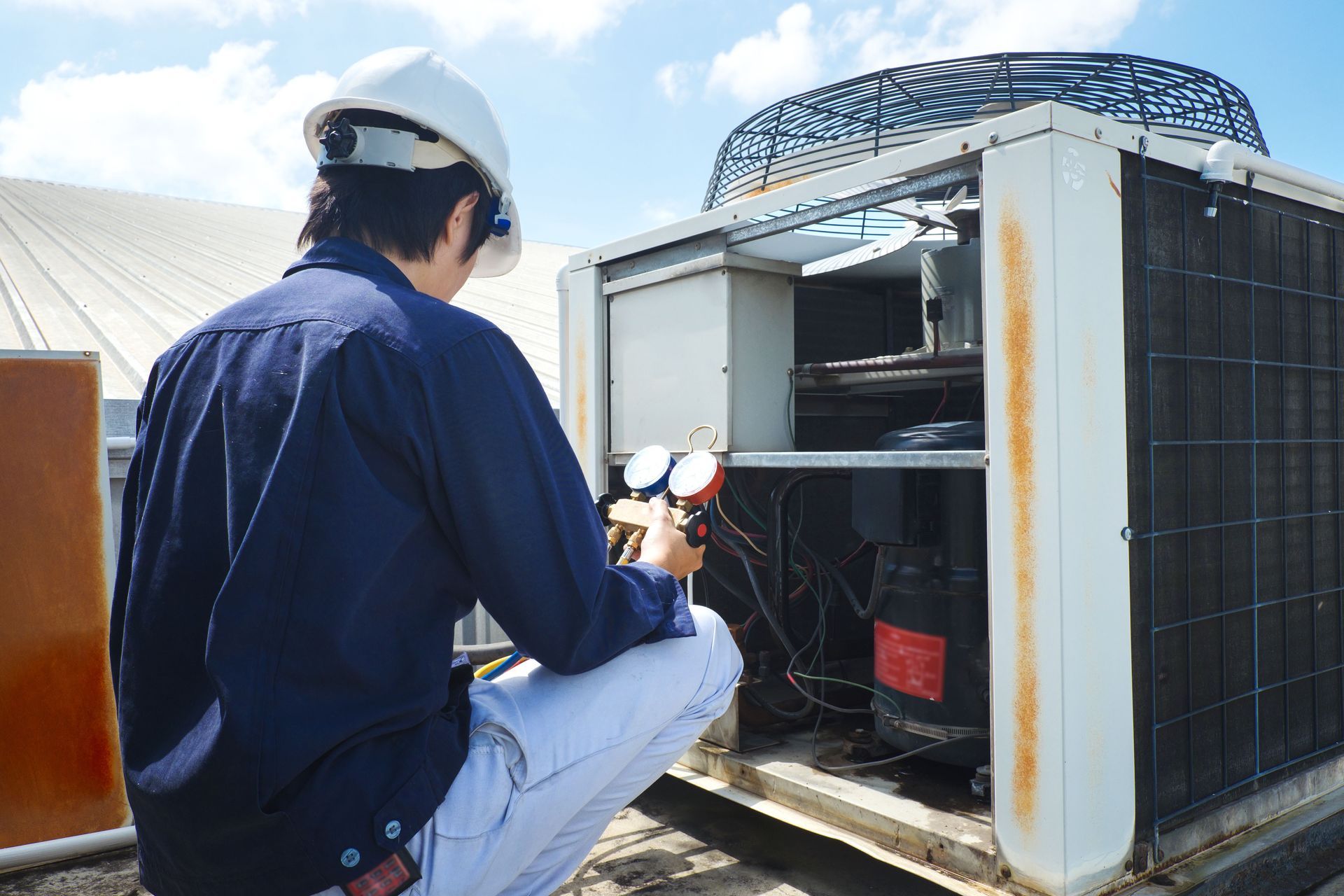
Designing clear physical access pathways simplifies necessary preventative maintenance procedures. Technicians require safe routes to inspect filters, belts, electrical connections, and internal compressors regularly. Restricting this physical access increases labor time and drives up routine service costs.
Professional commercial HVAC contractors plan layout configurations that leave ample workspace around every mechanical component. They ensure that safety valves, electrical disconnects, and fluid drains remain completely unblocked. Convenient accessibility guarantees that routine inspections are performed thoroughly and safely.
Placing units in tight, inaccessible crawlspaces or narrow roof corners discourages regular preventative care. Neglected components deteriorate rapidly, leading to unexpected system shutdowns during peak seasonal weather. Proper spatial planning protects your mechanical infrastructure from premature operational failure.
Ensuring safe ladder access and secure catwalks protects service technicians from workplace accidents. Compliance with occupational safety guidelines is mandatory for commercial properties. Strategic equipment placement minimizes future liability while streamlining essential mechanical maintenance.
When components remain simple to access, emergency repair times decrease dramatically during system failures. Technicians can diagnose issues and swap out faulty parts without dismantling surrounding architectural features. Accessibility remains the foundation of long-term machine reliability.
Selecting the right commercial HVAC contractors is the defining factor in a flawless installation process. Experienced professionals guide you through every structural, mechanical, and financial decision with absolute precision. Their specialized expertise transforms a complex construction project into a seamless corporate upgrade.
Avoid the operational disruptions and hidden expenses that stem from poor planning and inadequate execution. Partner with an organization that prioritizes long-term durability, structural integrity, and maximum energy efficiency. Contact the industrial climate control specialists at Elite Refrigeration today to secure a flawless mechanical installation.