In the commercial world, an inefficient HVAC system isn't just an inconvenience; it's a massive drain on the bottom line, a comfort hazard, and a major source of operational headaches. To achieve peak operational excellence, a top-tier commercial HVAC company focuses on a triple-threat strategy: cutting-edge technology, a highly trained workforce, and rock-solid operational processes. Here is a look at exactly how forward-thinking commercial HVAC companies can help improve HVAC efficiency for businesses.
Investing in Advanced Technology
High-Efficiency HVAC Equipment
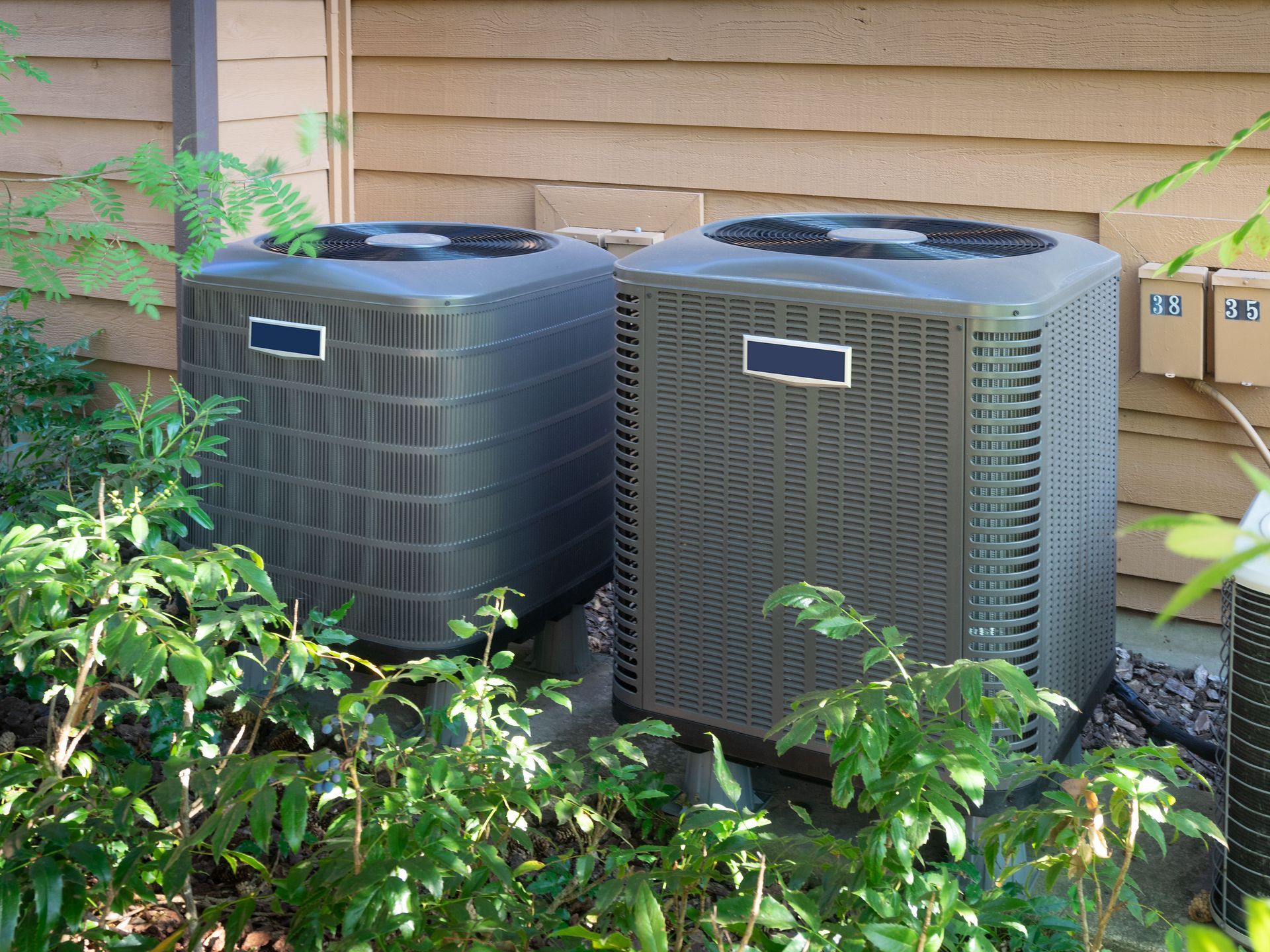
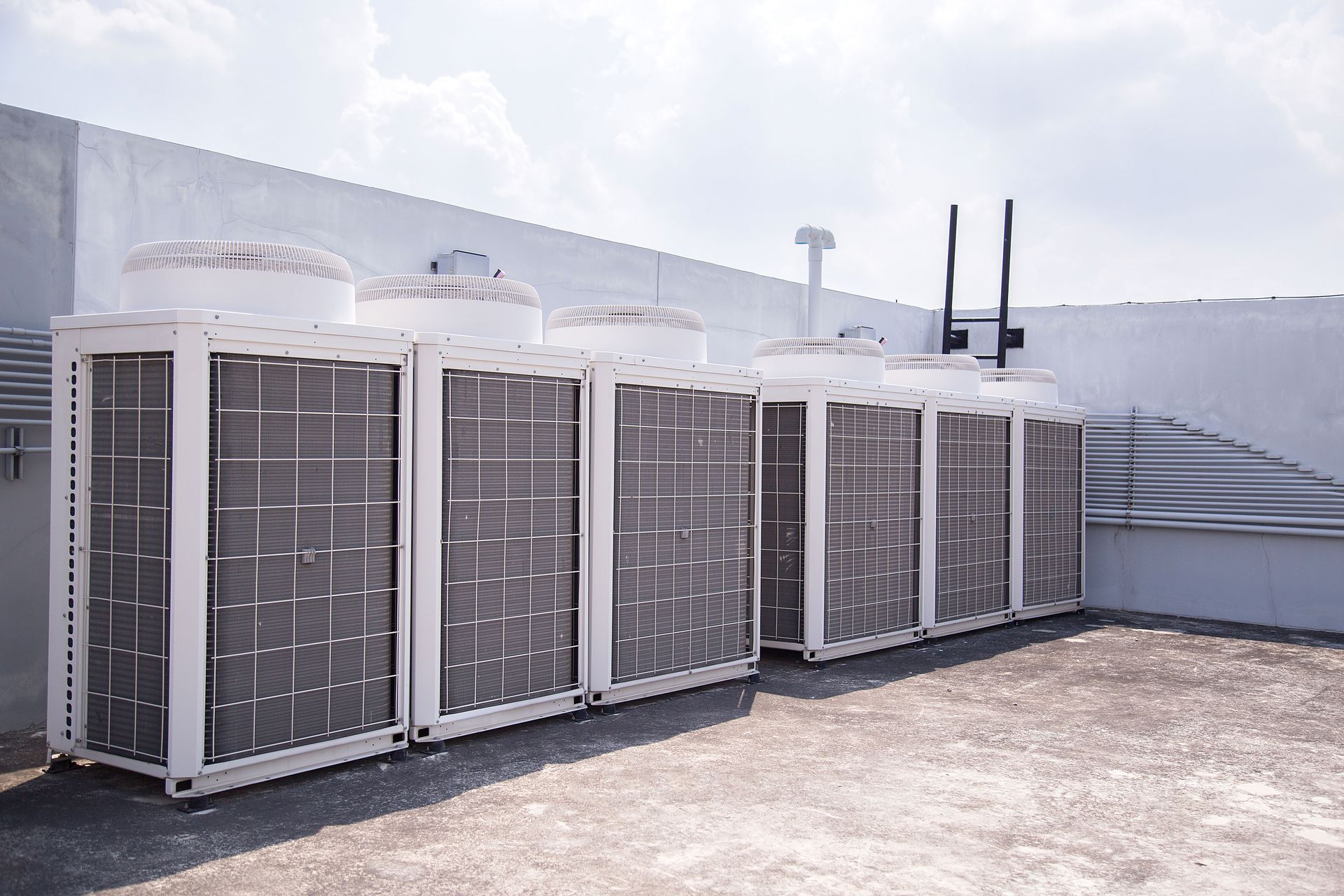
High-efficiency HVAC equipment is a crucial investment for a commercial HVAC company aiming to improve operational efficiency. By integrating advanced technologies, these systems not only reduce energy consumption but also enhance performance. Companies opting for energy-efficient models can offer clients significant savings on energy bills, making their services more appealing. The longevity and reliability of modern HVAC systems further minimize the need for frequent repairs and replacements. Ultimately, shifting towards high-efficiency solutions meets consumer demand for both cost savings and environmental responsibility.
Smart Thermostat Integration
Smart thermostat integration represents a significant advancement in boosting HVAC efficiency. With the capability to learn user preferences and adapt settings automatically, smart thermostats optimize heating and cooling needs with minimal user intervention. A commercial HVAC company will use this technology to provide customers with precise control over their environment, which can lead to substantial energy savings. Additionally, smart thermostats offer features such as remote access and energy usage data, informing users of their consumption patterns. These benefits help customers make eco-conscious decisions, enhancing satisfaction and loyalty.
IoT and Connected Systems
The Internet of Things (IoT) and connected systems form a cornerstone in the evolution of HVAC efficiency. IoT-enabled devices facilitate seamless communication between HVAC components, enabling smart and responsive heating and cooling solutions. Commercial HVAC companies leverage this connectivity to offer real-time performance monitoring and automated adjustments, enhancing comfort and energy savings. These systems can predict maintenance needs or potential malfunctions, allowing for proactive service that avoids costly breakdowns. Ultimately, IoT technology reinforces a company's reputation as a provider of cutting-edge, reliable solutions.
Skilled Workforce and Training
Continuous Education Programs
Investing in continuous education programs is vital for sustaining a skilled HVAC workforce. Education initiatives ensure that technicians remain well-versed win the latest technologies, compliance requirements, and industry trends. Regular training programs help mitigate skills gaps, fostering a competitive edge necessary for thriving in an evolving market. By supporting continuous development, a commercial HVAC company can stimulate employee engagement and retention, which translates into higher service quality for customers. This commitment to professional growth exemplifies a dedication to excellence and customer satisfaction.
As commercial buildings transition into complex, integrated ecosystems, continuous education must evolve beyond traditional mechanical systems to focus heavily on software and electronics. Modern training curricula regularly feature deep dives into Building Automation Systems (BAS), proprietary energy management software, and complex variable-speed technologies. By partnering directly with major equipment manufacturers for specialized factory training, commercial HVAC companies ensure their teams are qualified to commission and service complex, high-efficiency systems. This proactive approach turns field technicians into sophisticated technical advisors capable of maximizing a building's energy performance.
Certifications and Compliance Requirements
Certifications and compliance requirements are key components of a skilled and professional HVAC workforce. Certifications validate a technician's expertise and ensure adherence to industry standards, enhancing credibility and trustworthiness in the eyes of clients. Compliance with regulations related to safety, environmental impact, and efficiency helps companies avoid legal pitfalls and potential fines. In an industry where changes in technology and legislation are routine, maintaining up-to-date certifications signifies a company's commitment to excellence and reliability. With consumers replacing approximately 3 million heating and cooling systems each year in the United States, according to Consumer Affairs, a qualified workforce is indispensable.
To meet these demanding standards, modern commercial technicians must hold industry-validated credentials such as North American Technician Excellence (NATE) certification and the mandatory EPA Section 608 certification for safe refrigerant handling. Furthermore, companies must actively align their services with evolving environmental and efficiency updates, including the ongoing global transition toward low-GWP (Global Warming Potential) refrigerants and strict ASHRAE standards for indoor air quality and energy use. Mastering these shifting regulations ensures that an HVAC provider protects both their clients' long-term investments and the environment.
On-the-Job Training for Technicians
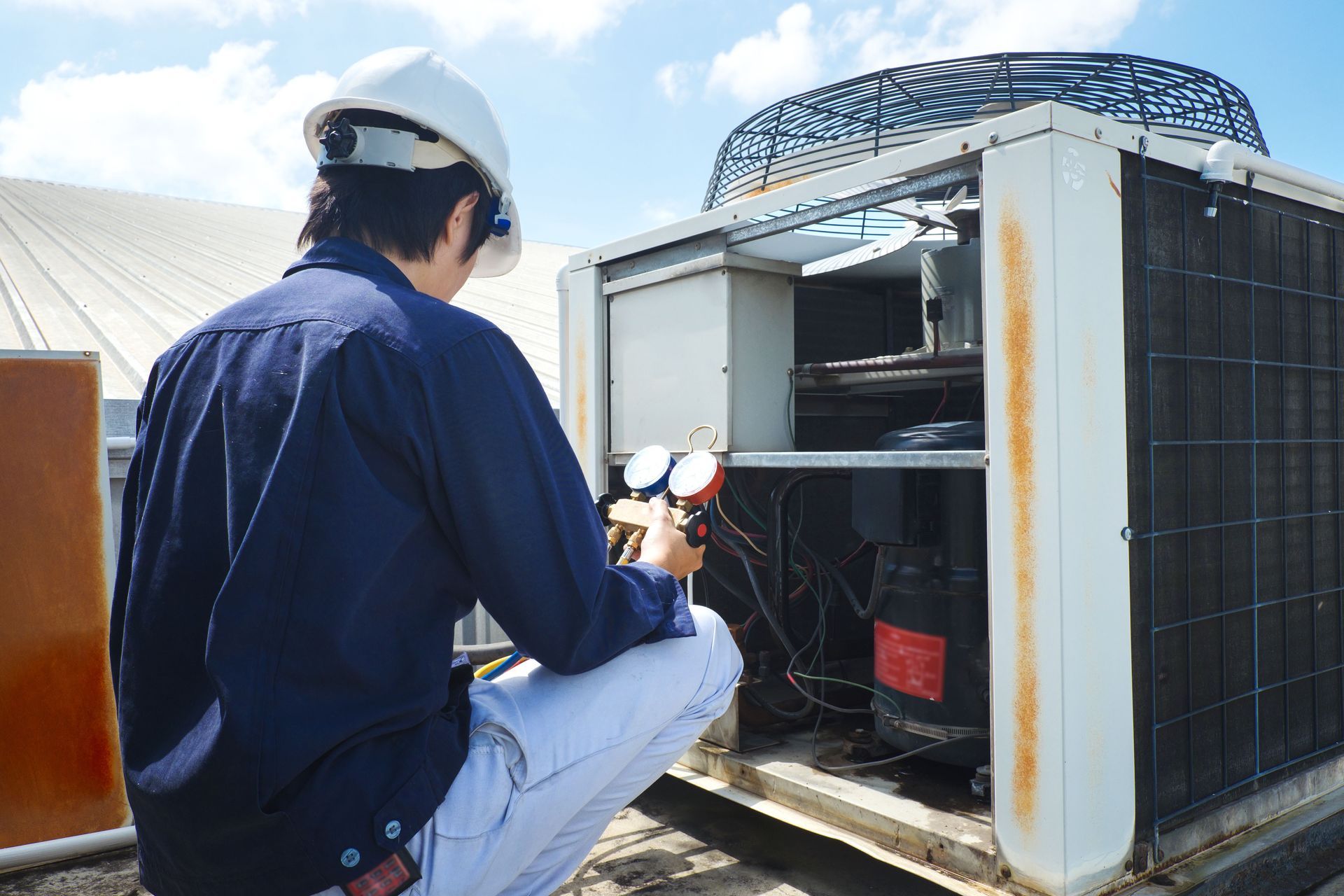
On-the-job training for technicians is a cornerstone strategy for cultivating expertise within HVAC companies. On-the-job training supplements formal education by providing hands-on experience with real-world scenarios, thus enhancing problem-solving skills. This practical exposure allows technicians to become well-versed in company-specific processes, technologies, and client needs. Companies that prioritize on-the-job training often see improvements in employee performance and customer satisfaction. This approach aligns workforce capabilities with company goals, ultimately fostering operational efficiency.
To maximize the efficiency of this practical learning curve, leading companies pair apprentice technicians with seasoned master mechanics under structured mentorship programs. This setup ensures that critical, nuanced troubleshooting skills, such as interpreting complex electrical schematics or diagnosing variable refrigerant flow (VRF) systems, are passed down directly in the field. Furthermore, incorporating modern mobile diagnostic apps and video-assisted remote support into on-the-job training allows junior technicians to safely navigate intricate commercial setups with a virtual safety net. By fast-tracking field readiness through structured hands-on experience, companies can confidently scale their workforce without sacrificing service quality or safety standards.
Efficient Operational Processes
Streamlined Service Scheduling
Streamlined service scheduling is essential for optimizing HVAC companies' operational efficiency. Through digital platforms and scheduling software, companies can effectively manage appointments and allocate resources. This automation reduces downtimes and improves response times, which enhances customer satisfaction. Additionally, automated scheduling ensures that technicians are adequately prepared with the necessary tools and information, leading to efficient service delivery. As a result, streamlined scheduling contributes to improved operational flow and client impressions.
Modern scheduling platforms take this a step further by utilizing real-time GPS tracking and algorithmic routing to dynamically dispatch technicians based on their current proximity to a job site and specific skill sets. By minimizing drive times and instantly matching an urgent service call with a technician who has the exact parts in their truck inventory, companies drastically increase their "first-time fix" rates. This predictive, data-driven approach to dispatching reduces fuel costs and eliminates wasted hours, turning a traditional administrative bottleneck into a highly profitable, responsive competitive advantage.
Proactive Maintenance Strategies
Proactive maintenance strategies are fundamental to ensuring the longevity and performance of HVAC systems. By systematically inspecting and addressing potential issues, companies can avert costly repairs and unexpected breakdowns. Proactive maintenance also enhances system reliability and efficiency, meeting customer expectations for uninterrupted operation. A commercial HVAC company that employs such strategies delivers tangible value to clients through minimized operational disruptions and energy costs. As businesses increasingly appreciate the long-term benefits of preventive maintenance, it becomes a key differentiator in a crowded market.
The next frontier of this strategy moves beyond standard calendar-based checklists and into data-driven predictive analytics. By collecting and analyzing continuous data streams from connected systems, such as tracking subtle fluctuations in motor vibration, airflow variations, or refrigerant pressure drops, HVAC companies can pinpoint exactly when a component is veering toward failure before it actually breaks down. This allows technicians to perform hyper-targeted adjustments during scheduled off-peak hours. Ultimately, transitioning from a reactive "break-fix" mindset to a fully predictive model saves commercial clients thousands of dollars in emergency service fees and protects critical business continuity.
Efficiency for a commercial HVAC company involves technology, skilled labor, streamlined processes, and adaptation to industry trends. By prioritizing these strategies, HVAC companies can achieve sustained growth and provide outstanding value to their clients. To learn more, reach out to the experts at Elite Refrigeration today!