By Thomas Teska
January 13, 2026
In today's fast-paced commercial and residential environments, reliability and responsiveness are the cornerstones of facility operations. At the heart of these objectives lies the critical infrastructure responsible for indoor climate—heating, ventilation, and air conditioning systems. When disruptions occur, organizations and homeowners alike turn to HVAC companies to deliver swift, effective, and strategic resolutions. This blog post will explore how HVAC companies manage emergency repairs and routine maintenance with precision, efficiency, and a commitment to continuous operational excellence.
Understanding Emergency Responsiveness
Emergency responsiveness is the fundamental capacity that differentiates proactive HVAC companies from reactive service providers. When a system fails unexpectedly—whether during peak summer heat or a frigid winter night—clients demand immediate action. HVAC companies have built robust response frameworks to ensure that they can deploy technicians rapidly and diagnose issues accurately. This requires a high degree of coordination between dispatch teams, field technicians, and customer service professionals to reduce downtime and restore comfort as quickly as possible.
Within this framework, HVAC companies utilize real-time communication systems to manage incoming emergency calls and allocate resources effectively. Dispatch centers act as command hubs, enabling dynamic scheduling that aligns technician availability with the urgency of the issue. This orchestration not only optimizes field operations but also strengthens client confidence, as stakeholders see their concerns translated into prompt and tangible action.
Diagnosing Issues With Precision
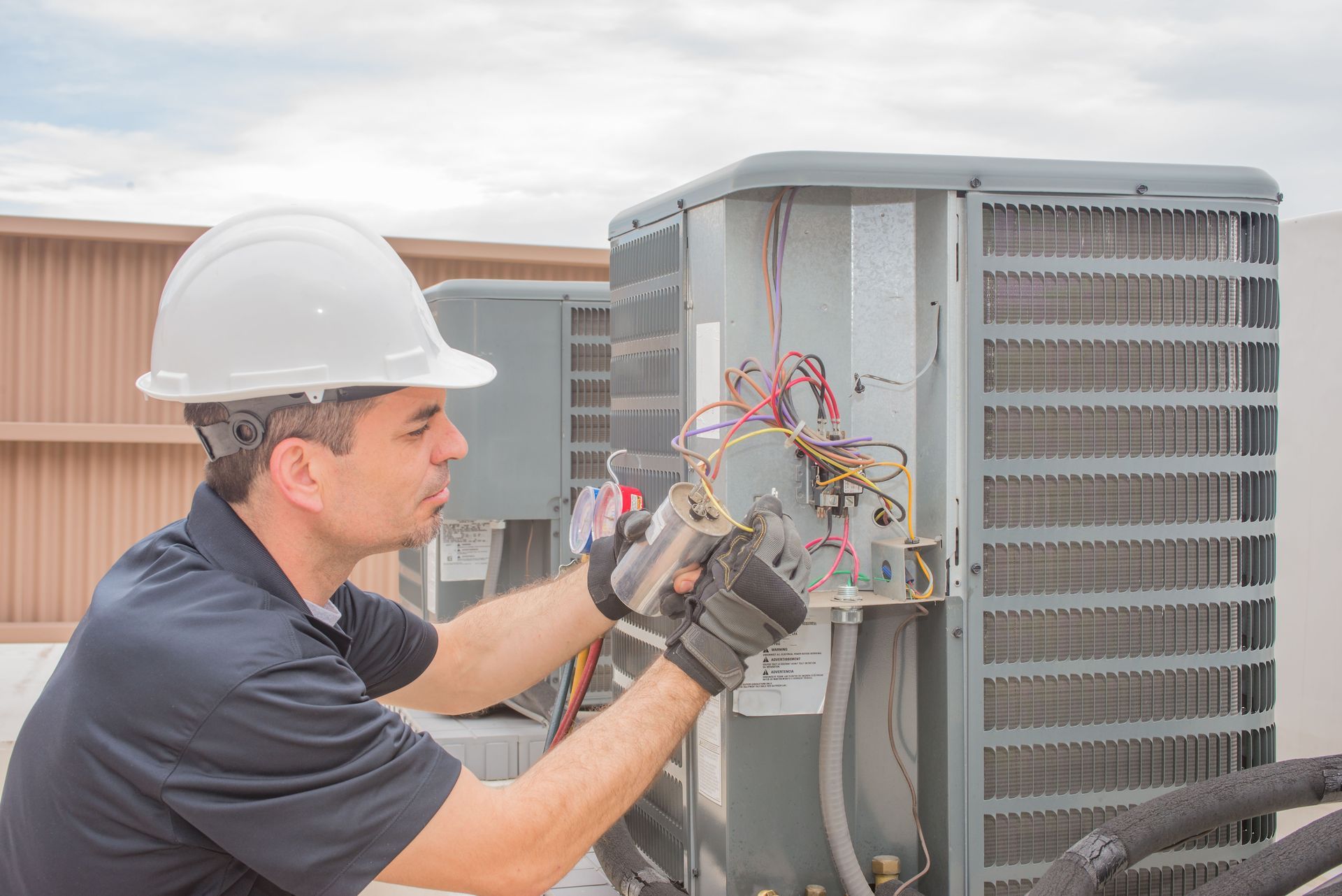
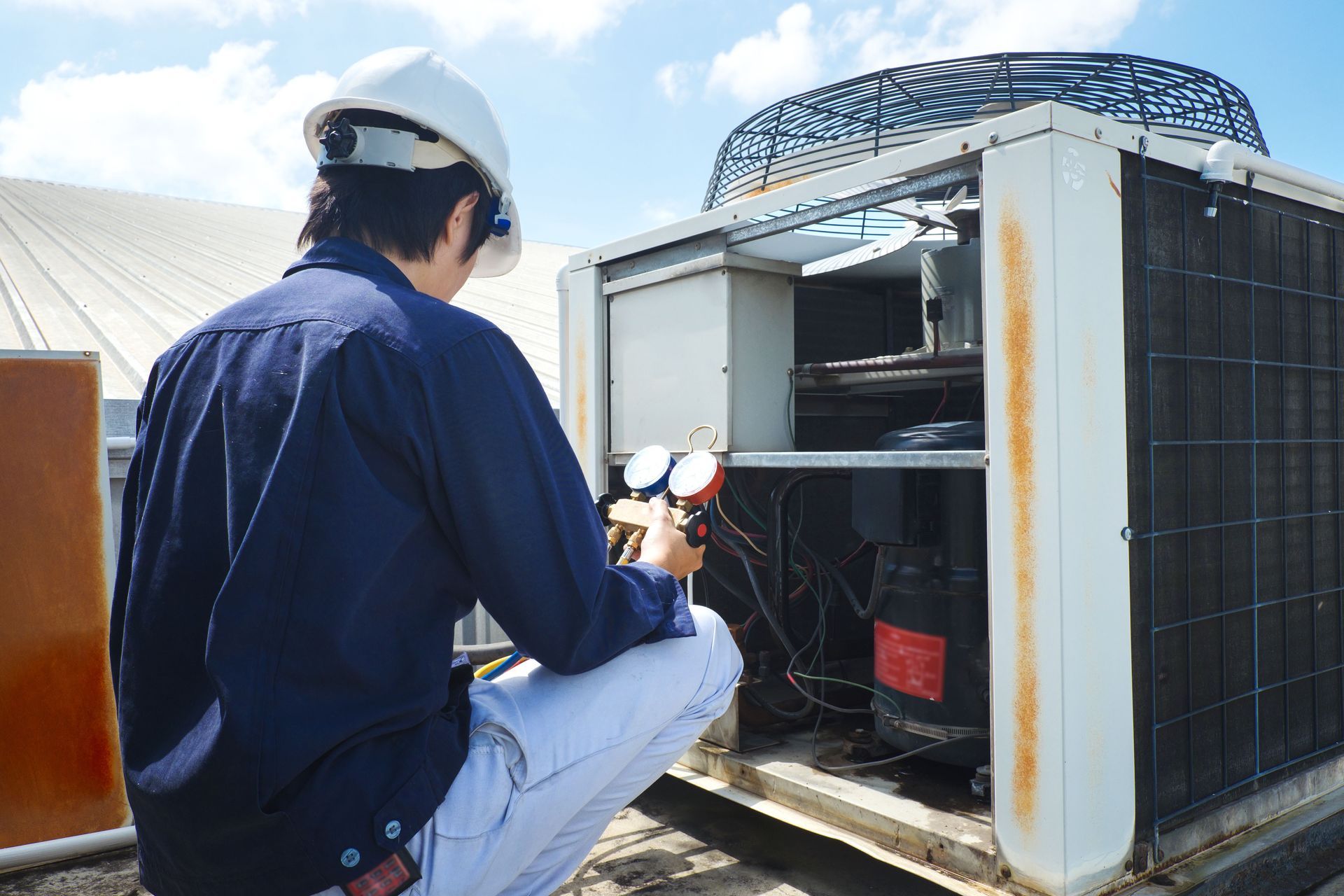
Once an HVAC company technician arrives on site, the next priority is precision diagnosis. Emergency situations often involve complex symptoms that may not be immediately evident. Technicians employ advanced diagnostic tools and leverage years of hands-on experience to identify the root cause of system failures. Whether the issue is a refrigerant leak, electrical malfunction, compressor failure, or a control system error, the diagnostic phase sets the stage for targeted intervention.
The diagnostic process is not simply about identifying the visible problem; it's about uncovering latent issues that could lead to future failures. HVAC companies train their technicians to think holistically, considering how interconnected components influence overall system performance. This level of analytical rigor ensures that emergency repairs are not superficial fixes, but strategic solutions designed to reinforce system integrity.
Delivering Emergency Repair Solutions
After accurately diagnosing the issue, the technician moves into the repair execution phase. In emergency contexts, speed and quality must go hand in hand. HVAC companies pride themselves on equipping their technicians with fully stocked vehicles, enabling on-the-spot repairs whenever possible. From essential spare parts to specialized tools, these mobile workshops empower technicians to resolve most emergencies without delay.
When a rapid fix is insufficient or additional components are required, the HVAC company communicates transparently with the client about timelines and next steps. This transparency is essential to maintaining trust and setting clear expectations. Clients appreciate knowing what will happen, when it will happen, and how the solution will restore system functionality.
During repair execution, safety protocols are rigorously applied. Technicians adhere to industry standards that protect both themselves and the client's assets. This disciplined approach underscores the professionalism that distinguishes top-tier HVAC companies in the market.
Ensuring Post-Repair Validation
Resolution of an emergency repair does not conclude when the visible issue is fixed. HVAC companies conduct post-repair validation to ensure that the system operates at optimal performance. This involves running the equipment through various operational conditions to confirm stability and effectiveness. Technicians verify that temperature outputs, airflow rates, and system responses align with design specifications.
Post-repair validation also includes client walkthroughs and explanations. Technicians take the time to brief clients on what caused the problem, what steps were taken to resolve it, and how future disruptions can be mitigated. This educational component transforms emergency repairs into opportunities for enhanced client understanding and empowerment.
Structuring Routine Maintenance Protocols
Beyond emergency responsiveness, HVAC companies are deeply invested in preventive maintenance strategies. Routine maintenance preserves system longevity, improves energy efficiency, and reduces the likelihood of unexpected breakdowns. According to SkillCat, commercial HVAC equipment is typically serviced every three to six months, whereas residential systems usually receive maintenance once every 12 months. This cadence ensures that HVAC systems remain in peak condition across diverse operational contexts.
Maintenance engagements are structured to provide comprehensive system assessments. Technicians perform thorough inspections of critical components, clean or replace filters, calibrate controls, lubricate moving parts, and evaluate overall system health. This proactive approach allows HVAC companies to identify and address emerging issues before they escalate into costly emergencies.
Clients who engage in routine maintenance partnerships benefit from scheduled service windows, priority support, and predictive performance insights. These advantages help organizations lock in operational continuity and manage facility budgets with greater certainty.
Aligning Maintenance With Strategic Goals
HVAC companies do not view maintenance as a transactional obligation; they position it as a strategic investment in long-term asset reliability. By aligning maintenance activities with client objectives—such as energy efficiency goals, sustainability targets, and facility uptime requirements—service providers become trusted partners in operational success.
Maintenance agreements often include detailed performance reporting, trend analysis, and recommendations for system upgrades or enhancements. This consultative approach elevates the service relationship, enabling clients to make informed decisions about their infrastructure over time.
Leveraging Technology for Smarter Service Delivery
In recent years, HVAC companies have integrated digital tools to enhance both emergency response and maintenance operations. Remote monitoring systems, for instance, provide real-time visibility into system performance metrics. These technologies generate alerts when parameters deviate from acceptable ranges, allowing technicians to intervene before a failure occurs.
Field service management software streamlines scheduling, dispatching, and documentation, ensuring that client histories and maintenance records are accessible at every touchpoint. Mobile applications enable technicians to update job statuses, capture diagnostic data, and communicate with back-office teams seamlessly. This digitized ecosystem drives efficiency, reduces administrative friction, and enhances service quality.
The deployment of such technologies reflects a forward-looking mindset among HVAC companies, where innovation is harnessed to deliver more resilient and responsive solutions. Clients benefit from faster turnaround times, richer insights, and a heightened sense of operational control.
Cultivating Skilled Technicians for High-Impact Service
The backbone of any effective emergency repair and maintenance strategy is a skilled workforce. HVAC companies invest significantly in training and professional development to ensure their technicians possess the technical acumen required for complex system work. Continuous education programs, certifications, and on-the-job mentoring reinforce core competencies and keep technicians abreast of evolving industry standards.
In emergency scenarios, technicians must make critical decisions under pressure. Their ability to think strategically, diagnose accurately, and execute with precision directly impacts client satisfaction. HVAC companies cultivate these capabilities through rigorous training regimens that balance theoretical knowledge with practical application.
Furthermore, technicians are coached in effective communication and customer engagement, recognizing that client interactions during high-stress moments can shape long-term relationships. The goal is to deliver technical excellence alongside professionalism and empathy.
Strengthening Client Partnerships Through Communication
Communication is a pivotal element in every phase of service delivery. HVAC companies prioritize clear and consistent communication channels to keep clients informed before, during, and after service activities. This involves proactive outreach for scheduled maintenance, timely updates during emergency response deployment, and follow-up confirmation of issue resolution.
Clients value transparency and reliability, especially when operational continuity is at stake. HVAC companies that articulate timelines, scopes of work, and expectations set the stage for trust and collaborative problem-solving. This communication ethos reinforces the perception of HVAC companies as dependable partners rather than transactional vendors.
By fostering open dialogue, service providers can also capture client feedback and continuously refine their processes. This feedback loop contributes to elevated service standards and drives innovation in service delivery models.
In an era where facility performance and occupant comfort are non-negotiable, HVAC companies play an indispensable role in both emergency responsiveness and preventive maintenance. Their ability to rapidly mobilize resources, diagnose complex issues, execute repairs, and sustain system health through routine servicing underscores a commitment to operational resilience.
For organizations and homeowners alike, partnering with a competent HVAC company means investing in peace of mind, continuity of operations, and the sustained performance of critical infrastructure. If you need HVAC repairs or maintenance, contact Elite Refrigeration today.